
Choosing an Engineering Surveyor in Perth: Scope and Proposal Checklist
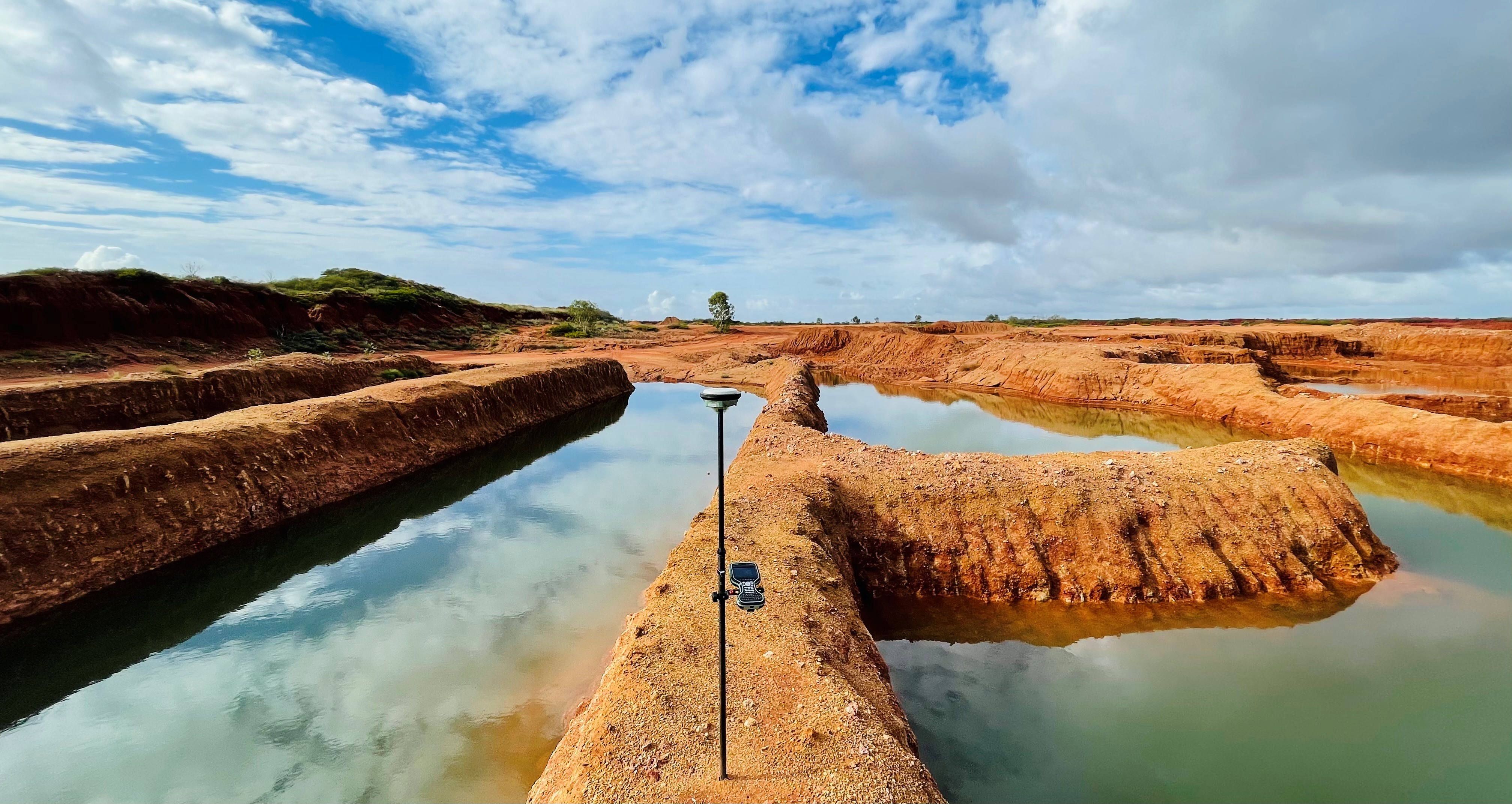
Choose a Perth engineering surveyor by matching the proposal to the work your project needs. A useful quote identifies the survey tasks, site extent, datum, tolerance, deliverables, checks and programme assumptions. An equipment list or a promise of accuracy is not enough to compare two scopes.
Before requesting proposals, decide what the survey will support: design, construction set-out, monitoring, quantity calculations or handover. Different tasks can need different observations and records, even on the same site.
For the role itself, read what engineering surveyors do. For local project support, see our Perth engineering surveyor services and Western Australian office.
Define the survey scope first
Send the same brief to each provider so their proposals can be compared. Include:
- the site address, survey extent and purpose of the work;
- issued drawings, revisions and design models;
- the features to capture or elements to set out;
- the required coordinate system, project grid and height datum;
- the tolerance and acceptance criteria for each task;
- required deliverable formats, reports and supporting records;
- site access, induction and operating constraints;
- review dates, construction stages and any repeat visits.
If an asset owner, engineer or council has issued survey requirements, attach them. Do not assume a generic feature survey or as-built plan will satisfy a particular handover package.
Match the provider to the task
Design and existing conditions
A feature and level survey gives the design team a measured site record. Confirm the extent, visible and critical features, observation density, datum and required CAD or surface-model outputs. Ask how obscured or inaccessible features will be reported.
Construction set-out
Set-out places the design on the ground. The proposal should identify the control arrangements, drawings and revisions to be used, work stages, required tolerances and checks. Confirm who supplies the design information and who authorises changes.
Monitoring and quantity surveys
For monitoring, agree the reference marks, observation frequency, movement thresholds and reporting process. For surface and volume comparisons, agree the survey extent, base surface and what must remain consistent between visits. Our stockpile volume comparison guide explains the records to request when two reports differ.
As-built and handover
An as-built scope should name the assets or elements to capture, comparison with design, required attributes, file formats and acceptance process. Ask whether the quote includes drafting, conformance reporting and responses to review comments.
Compare proposals using the same questions
| Topic | What to confirm | What can make quotes differ |
|---|---|---|
| Survey extent | Site limits, features, exclusions and work stages | One quote may cover only part of the site or fewer features |
| Control and datum | Existing marks, verification, project grid and height system | Control establishment or transformations may be excluded |
| Tolerance and checks | Required result, independent observations and reporting | An instrument specification may be offered without a checking plan |
| Deliverables | CAD files, surfaces, point clouds, drawings and reports as required | Field capture may be priced separately from processing and drafting |
| Access and programme | Inductions, site readiness, permits and agreed visit dates | Waiting, remobilisation or restricted access may change the scope |
| Changes and review | Drawing revisions, additional visits and acceptance comments | A lower initial price may exclude later construction stages or revisions |
Ask providers to identify assumptions and exclusions in writing. A comparison is useful only when the proposals address the same work.
Ask about methods and verification
Total stations, GNSS, laser scanners and drones serve different purposes. Ask the surveyor to explain the proposed method against the required tolerance, site conditions and deliverable. Our total station vs GNSS guide and drone surveying guide explain the practical limits.
Questions worth asking include:
- What control will the survey use, and how will it be verified?
- Which observations will be independent checks?
- How will the achieved result be documented?
- What equipment checks and calibration records are relevant?
- How will gaps, obstructions or unsuitable observations be reported?
- Who reviews the data before it is issued?
Where the contract requires certification or a quality standard, ask for current evidence that applies to the proposed work. Do not infer it from a logo, an equipment brand or a general company description.
Confirm responsibility for adjacent work
Engineering surveying supports design, construction and handover. Legal property boundary definition and subdivision-title work are separate cadastral tasks. HR Surveyors provides engineering and construction surveying; we do not redefine or certify legal boundaries. If the project needs that work, engage an appropriately licensed cadastral surveyor and confirm how the two scopes will coordinate.
Buried services also need a clear scope. A site survey of visible features does not establish every underground asset. For a separate locating enquiry, see HR Utilities underground utility detection and specify what information the design or construction team requires.
Agree a programme without assuming a standard turnaround
Fieldwork, processing and review time depend on the survey extent, access, detail and deliverables. Ask the provider to confirm current availability, dependencies and issue dates for your project.
A useful programme identifies when drawings will be available, when the site can be accessed, which construction stages need attendance and who will review the outputs. It should also explain how revisions, delayed access or additional visits will be handled.
Before you appoint a surveyor
Confirm these items in the accepted scope:
- a named contact and communication process;
- agreed survey tasks, extent and exclusions;
- drawings, datum, tolerance and control responsibilities;
- deliverable formats and the records that demonstrate checking;
- site access and an agreed programme;
- review, change and additional-visit arrangements.
Relevant project experience can help you assess a provider, but ask what the surveyor actually delivered on those projects. A similar project name alone does not establish that the scope, site conditions or acceptance requirements match yours.
Frequently asked questions
Should I choose the lowest survey quote?
Compare the included work first. Check site extent, control, deliverables, visits, drafting and review responsibilities. Price differences can reflect different scopes rather than a different rate for the same work.
Do I need a particular instrument?
Specify the required result and let the provider explain the suitable method. Where the project or asset owner prescribes a method, include that requirement in the brief.
What should a survey quote say about accuracy?
It should identify the project tolerance, how control and observations will support it, what checks will be used and what records will accompany the result. A headline equipment figure alone does not answer those questions.
How long will the work take?
Ask for a programme based on your site, scope and review process. Initial capture, processing, construction attendance and final handover may be separate stages.
Historical sources
The article was originally published in December 2024. Its earlier market context drew on the Engineers Australia Engineering Labour Market Overview, August 2024 and the Western Australian Economic Profile, June 2024. These are historical sources, not evidence of current survey pricing, availability or project requirements.
Discuss your Perth project
Send your site address, drawings, intended survey use and required deliverables to HR Surveyors. Our engineering surveying services page explains the wider scope.